Free Online Mridangam: Master Your Carnatic Talam
Play authentic Adi Talam mridangam patterns and practice your Carnatic rhythm — right in your browser, no download needed.
 80%
80%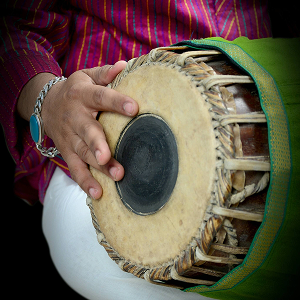
What Is A Mridangam ?
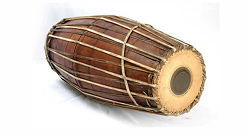
A mridangam is a traditional South Indian percussion instrument and one of the most important instruments in Carnatic music. It is a double-headed drum played with the hands and fingers to create different tones, rhythms, and mridangam bols.
The instrument provides the rhythmic foundation for Carnatic performances and is also widely used alongside Bharatanatyam dance. Its distinctive sound and ability to produce complex rhythmic patterns make it an essential part of South Indian classical music. For beginners, understanding the basic structure and sounds of a mridangam is the first step towards effective mridangam practice.
Mridangam vs. Tabla
Although both are Indian percussion instruments, the mridangam and tabla belong to different musical traditions and have different playing techniques. The mridangam is primarily associated with Carnatic music, while the tabla is widely used in Hindustani classical music.
The instruments also differ in their construction, hand techniques, tuning systems, and rhythmic vocabulary. If you're trying to understand the mridangam vs tabla difference, the simplest distinction is their musical tradition: mridangam is central to South Indian classical rhythm, while tabla plays a similar foundational role in North Indian classical music.

How To Use This Mridangam ?
Our online mridangam tool can help you explore basic rhythms and practise timing digitally. You can use the free mridangam or virtual instrument in a few simple steps:
- 1. Select Your Scale
Choose the scale or setting that works for your practice session. - 2. Adjust the BPM
Set the tempo according to your level. Beginners can start slowly and gradually increase the speed as their timing improves. - 3. Press Play
Start the mridangam simulator and listen carefully to the rhythmic cycle. - 4. Follow the Bol Display
Use the displayed mridangam bols to follow the rhythm and practise along with the beat.
For beginners, start with a slow tempo and focus on maintaining a steady rhythm before increasing the BPM.
Why Musicians & Dancers Need A Mridangam
The mridangam acts as the rhythmic backbone of Carnatic music. It helps performers maintain the tala while adding accents, variations, and rhythmic responses to the main melody.
For musicians and dancers, practising with a virtual mridangam can help with:
- Maintaining tala: Develop a stronger sense of rhythmic cycles and timing.
- Improving rhythm: Practise staying in time with a consistent beat.
- Carnatic music practice: Use the mridangam as a rhythmic reference while learning compositions.
- Bharatanatyam practice: Dancers can use mridangam rhythms to understand and follow rhythmic patterns during practice.
- Learning bols: Repeatedly listening to and following mridangam bols can help beginners become familiar with traditional rhythmic syllables.
- Building consistency: Regular practice at different tempos can gradually improve rhythmic accuracy.
A mridangam player online or digital practice tool can be particularly useful when you want a quick rhythmic reference without having a physical instrument available.
Related Courses

Carnatic Vocals Foundation
With a focus on building strong fundamentals, this course is the perfect starting point for beginners over 8 years of age. In this course, we introduce your child to the basic concepts of Carnatic music like shruthi, swaras, swarasthanams and more!
- Course Duration - 6-8 Months
- Certification on Course Completion
- Masterclass Included
Carnatic Vocals Foundation
With a focus on building strong fundamentals, this course is the perfect starting point for beginners over 8 years of age. In this course, we introduce your child to the basic concepts of Carnatic music like shruthi, swaras, swarasthanams and more!
- Course Duration - 6-8 Months
- Certification on Course Completion
- Masterclass Included
Carnatic Vocals Foundation
With a focus on building strong fundamentals, this course is the perfect starting point for beginners over 8 years of age. In this course, we introduce your child to the basic concepts of Carnatic music like shruthi, swaras, swarasthanams and more!
- Course Duration - 6-8 Months
- Certification on Course Completion
- Masterclass Included
Carnatic Vocals Foundation
With a focus on building strong fundamentals, this course is the perfect starting point for beginners over 8 years of age. In this course, we introduce your child to the basic concepts of Carnatic music like shruthi, swaras, swarasthanams and more!
- Course Duration - 6-8 Months
- Certification on Course Completion
- Masterclass Included


Your Music Classes In 3 Simple Steps
1. Book
Reserve a free demo & we will get back to you right away
2. Experience
Get an experience like never before with industry expert tutors.
3. Start
Join us and Start making music.